
WORKSHOP #4
Cleaning For Your Life!
Breakages, spills, vacuum cleaners and other hazards: WORKING SMART.
Master The Business Side
ABN & ATO
Register for your Australian Business Number (ABN) at www.ato.gov.au. This identifies you to Government Departments and entitles you to claim business expenses.
Name Registration
You must register any name you trade under (other than your own) through DOCEP. Renew this every 3 years to ensure your chosen name is protected.
Tax & Records
Make sure you comply with ATO record-keeping requirements. Keep your business records safe for 5 years from the date of issue in case of an audit.
FINANCIAL PROFESSIONALISM
Paperwork That Protects You
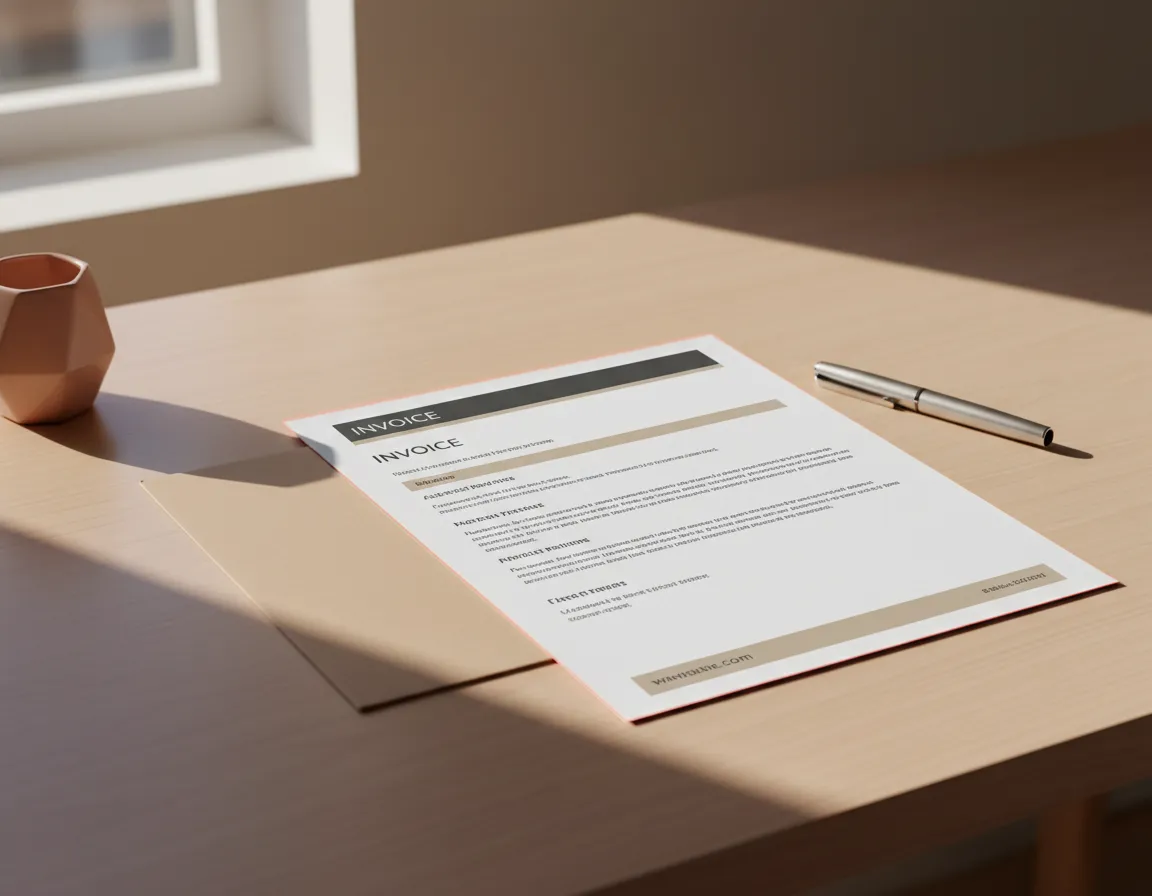
Invoices
You issue these to another business for work done. Occasionally, private householders will require an invoice, for example, if they do any work from home (they can claim a deduction for cleaning of their office area). Ensure your ABN is clearly displayed.

Income & Expense Sheets
Keep your records up to date; enter information regularly to avoid having to enter a whole load from your receipt book or bank statement. Use the date you actually receive electronic funds. Although items under $100 legally require no receipt, keeping a record protects your margins.

Quotations & Contracts
Required for commercial jobs, like an office cleaning contract. A simple form of written contract must be signed by both parties (and preferably an impartial witness) to be legally binding. These are crucial when disputes arise.
Seamless Operations
Set yourself apart by conducting your cleaning services in a business-like manner.
01
Clearance & Insurance
It is advisable to get a National Police Clearance to undertake cleaning jobs and secure Public Liability Insurance for commercial work.
02
Assessing a Job
State your rate at $40-$45/hour with a 3-hour minimum. Always warn clients that full vacate cleans can take up to 10 hours.
03
The 7-Page Diary
Use this diary to reliably record job details, quotes, client contact information, and specific premises requirements.
Occupational Safety First
ENCLOSED FOOTWEAR
Flat, enclosed rubber-soled shoes preferably leather or sturdy running shoes.
SURGICAL MASKS
When using strong chemicals in enclosed spaces or cleaning heavy dust in new buildings, wear a surgical mask.
HEAVY-DUTY GLOVES
Always wear suitable gloves for the job you are doing. Heavy duty rubber ones when using strong chemicals.
VENTILATION
Open windows and turn extractor fans on when using strong chemicals, eg 'Exit Mould' or bleach.
Working Smart
Smart cleaning isn’t about sheer effort—it’s about knowing how to avoid damage and handle specific property hazards efficiently. Protect the property and yourself by using the right techniques for every situation.
CHEMICALS & SOLUTIONS
NEVER mix chemicals. Follow directions on the product to the letter. Bleach can take the colour out of carpets and towels if splashed – there are many alternative cleaning products you can use. Disinfectant is safe to use on wood toilet seats, too. Wear a mask when using Exit Mould.
BREAKAGES & DAMAGE
Avoid cleaning anything that is “locked away!” Keep a tube of superglue handy and attempt to fix if it is a clean break on a cheap item (put newspaper down so glue doesn’t drip and damage surfaces) or offer to buy a replacement and bring next clean. Always inform the client.
SPILLS & STAINS
Wipe or scrape excess up immediately. Spray carpet with stain remover (e.g., Sard Wonder Spray), use a damp stiff brush to agitate carpet fibres, and wipe again with a damp cloth several times.
VACUUMS & APPLIANCES
Vacuums: Stop using if you suspect overheating. Check for blockages and full bags/barrels. Never vacuum wet areas.
Ducted Vacuums: Remove carefully from outlets (twist slowly).
Clothes Dryers: Remove lint regularly and do not overload.
Dishwashers: Beware of sharp knives when unloading.
Keep Your Overheads Down
Smart Advertising
Use the “word of mouth” method or community noticeboards. Online platforms like FB Marketplace in the services section or Gumtree are cost-effective ways to grow.
Solutions & Gear
Less is more! A 2-litre bottle of cleaning vinegar and microfibre cloths go a long way. Service vacuums regularly and keep a basic kit in your car to avoid driving home for gear.
Mileage & Quoting
Visiting a home to quote costs you travel money and time. Use a log book to record mileage for any business purpose—it is one of your biggest expenses. Apportion private use for taxation.
© 2026 Cleaning for Your Life — Alison Seiler. All rights reserved.